Weight Equivalents: Tomatoes
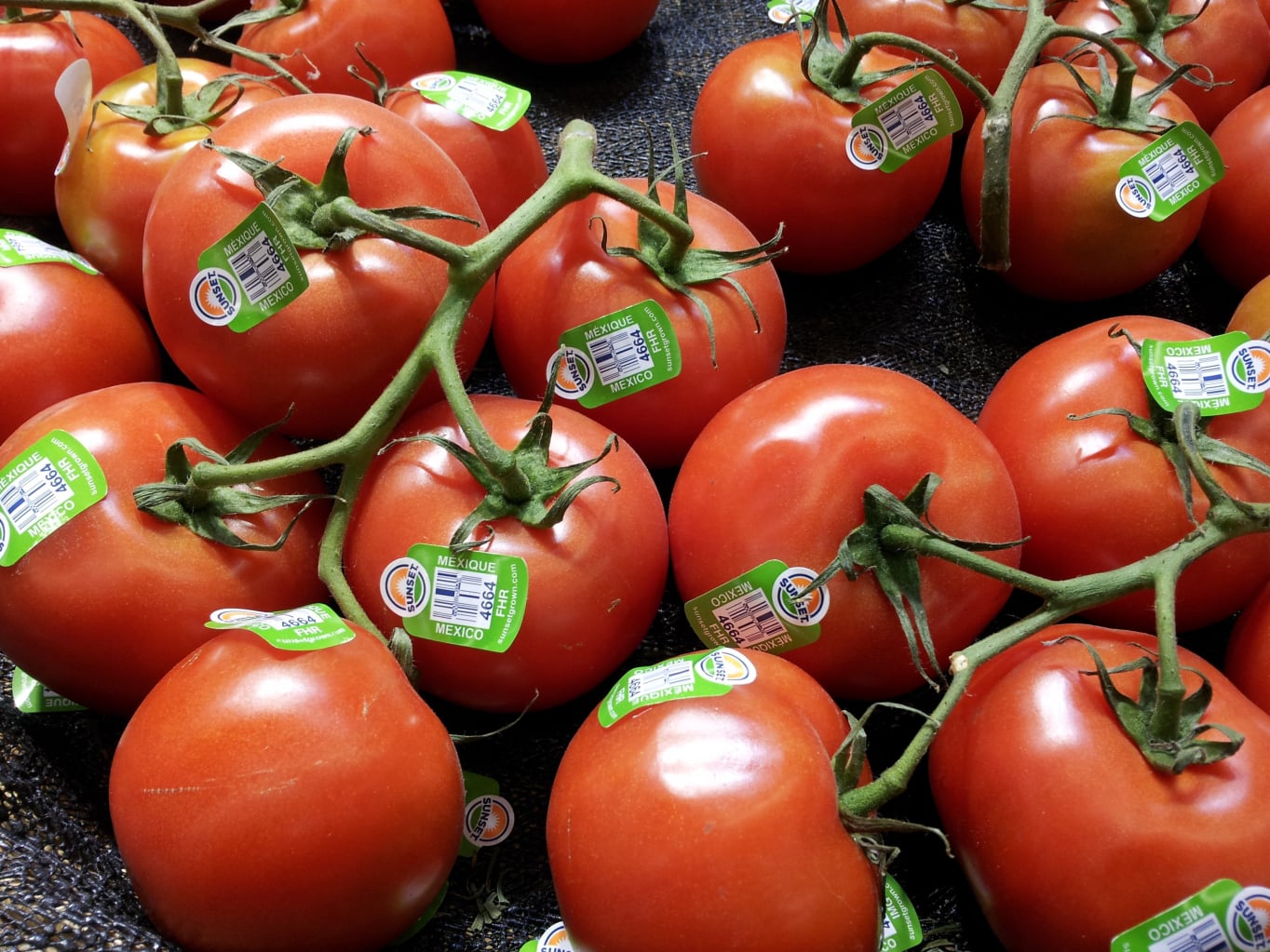
Article by Gil "hannaone"
© Copyright 2007-2025. All rights reserved.
Image: hannaone
Weight and nutrition information obtained from USDA food database or Korean Standard Food Composition Tables
A deep red fruit from the Andes region spread across the Atlantic to the Mediterranean area where it quickly became a staple in the local cuisine. Tomatoes have been cherished for centuries for their vibrant color, juicy texture, and versatile flavor. Originally thought to be poisonous by Europeans, this misunderstood ingredient has become an essential part of dishes all around the world. Whether you slice them for a refreshing salad, puree them into a rich pasta sauce, or simply enjoy them on their own, tomatoes add a burst of freshness and tanginess to any meal. From heirloom varieties to cherry tomatoes, there's no denying the impact these plump and succulent fruits have had on the culinary world.
Origin and History
Tomatoes originated in the Andean region of South America, particularly in modern-day Peru, Bolivia, Chile, and Ecuador. They were domesticated by the indigenous peoples of Mexico and spread throughout Central America. Spanish explorers brought tomatoes to Europe in the 16th century, where they were initially met with suspicion but eventually became a staple in Mediterranean cuisine.
Types of Tomatoes
Beefsteak Tomatoes: Large, juicy, and perfect for sandwiches.
Cherry Tomatoes: Small, sweet, and great for snacking and salads.
Roma Tomatoes: Also known as plum tomatoes, they have a firm texture and are ideal for sauces and canning.
Heirloom Tomatoes: Come in various shapes, colors, and flavors, often prized for their unique taste.
Grape Tomatoes: Similar to cherry tomatoes but with thicker skins and a slightly less sweet flavor.
Green Tomatoes: Unripe tomatoes that are firm and tart, often used in frying or pickling.
Uses
Tomatoes are incredibly versatile and can be used in a variety of dishes:
Fresh: In salads, sandwiches, and salsas.
Cooked: In soups, stews, sauces, and casseroles.
Preserved: Canned, sun-dried, or made into sauces, pastes, and chutneys.
Beverages: Tomato juice and Bloody Mary cocktails.
How to Choose Tomatoes
When selecting tomatoes, look for the following:
Color: Choose tomatoes with a rich, vibrant color.
Texture: They should feel firm but yield slightly to gentle pressure.
Smell: Ripe tomatoes have a sweet, earthy aroma, especially near the stem.
Avoid: Tomatoes with blemishes, wrinkles, or soft spots.
Substitutes
If you don't have tomatoes on hand, here are some alternatives:
Tomato Paste/Sauce: Concentrated tomato flavor for cooking.
Red Bell Peppers: Mild and sweet, good for salads and cooking.
Canned Tomatoes: Convenient for sauces and stews.
Tomatillos: Tart and slightly sweet, used in Mexican cuisine.
Ketchup: A sweeter, more processed option for flavor.
Potential Health Benefits
Tomatoes offer numerous health benefits:
Rich in Nutrients: High in vitamins C and K, potassium, and folate.
Antioxidants: Contain lycopene, which may reduce the risk of heart disease and cancer.
Hydration: High water content helps keep you hydrated.
Eye Health: Vitamin A and other antioxidants support vision and eye health.
Digestive Health: High in fiber, promoting healthy digestion.
Heart Health: Potassium and antioxidants may support cardiovascular health.
Tomatoes are a delicious and nutritious addition to any diet.
❤️How much does a tomato weigh?
| Tomato, Red Ripe, Raw | |||
|---|---|---|---|
| Large, whole | (3"dia) | 182g | 6.4oz |
| Medium, whole | (2-3/5" dia) | 123g | 4.3oz |
| Small, Whole | (2-2/5" dia) | 91g | 3.2oz |
| Slice, Thick | (1/2" thick from medium tomato) | 27g | 0.9oz |
| Wedge | (1/4 medium tomato) | 31g | 1.1oz |
| Slice, Medium | (1/4" thick from medium tomato) | 20g | 0.7oz |
| Slice, Thin | (from medium tomato) | 15g | 0.5oz |
| Cup, chopped | 180g | 6.3oz | |
| Cup, sliced | 180g | 6.3oz | |
| Tomato, Cherry, Raw | |||
| Average | 17g | 0.6oz | |
| Cup, Chopped | From Average Size | 149g | 5.3oz |
| Tomato, Italian or Plum | |||
| Average | 62g | 2.2oz | |
|
Conversion from grams to ounce: 28.3495231g(rounded to 28.35)= 1 oz |
|||
| |||||||||||||||||||||||||||||||||||||||||||||||||||||||||||
| |||||||||||||||||||||||||||||||||||||||||||||||||||||||||||
| |||||||||||||||||||||||||||||||||||||||||||||||||||||||||||

Comments