Weight Equivalents: Sugar
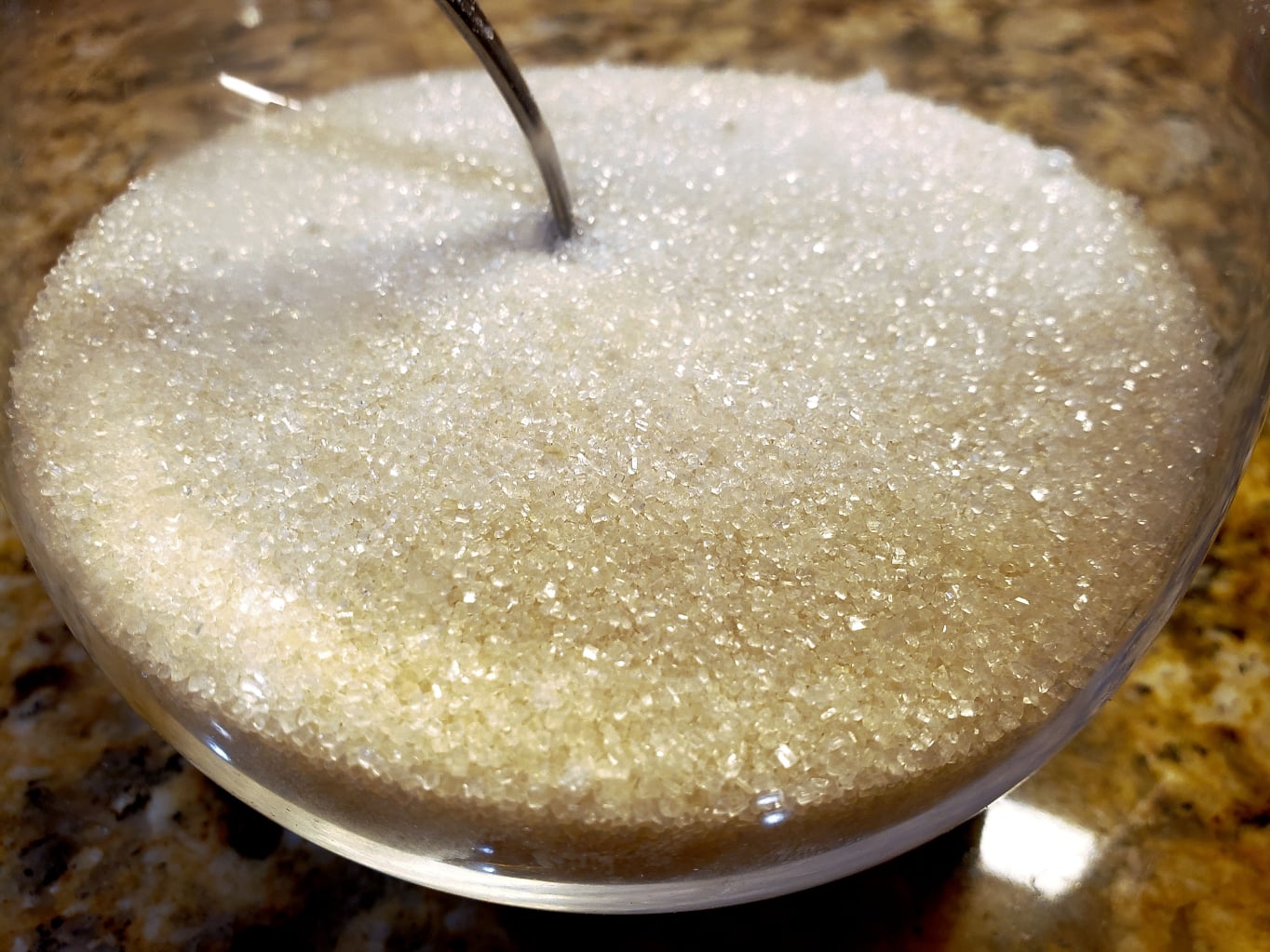
Article by Gil "hannaone"
© Copyright 2007-2025. All rights reserved.
Image: hannaone
Weight and nutrition information obtained from USDA food database or Korean Standard Food Composition Tables
Sugar, a ubiquitous ingredient found in almost every food and beverage, has been a staple in the human diet for centuries. From our morning cup of coffee to our favorite dessert, sugar is present in various forms. But have you ever stopped to wonder about its origins and how it became such an integral part of our daily lives?
Origin and History
Sugar has a fascinating history. It originated in New Guinea around 8000 BC. Indian scholars and sailors later learned to process it, spreading sugar cultivation through India, China, and Persia. By the 7th century AD, Arabs brought sugar to the Mediterranean, and it reached Europe in the 11th century through the Crusades. The age of exploration brought sugar to the Caribbean, where it became a major commodity.
Types of Sugar
Granulated Sugar: The most common type, used in baking and everyday sweetening.
Caster Sugar: Finer granules than granulated sugar, perfect for baking and cocktails.
Powdered Sugar: Granulated sugar ground into a powder, used for icing and decorations.
Brown Sugar: Contains molasses, giving it a moist texture and caramel flavor. Available in light and dark varieties.
Turbinado Sugar: Less processed and retains some natural molasses.
Muscovado Sugar: Unrefined with a strong molasses flavor.
Liquid Sugar: Sugar dissolved in water, often used in beverages.
Uses
Sugar isn’t just for sweetening! It’s essential in baking, candy making, and preserves. Sugar also helps in caramelizing, fermenting, and balancing flavors in savory dishes. It even plays a role in food preservation by creating an environment unsuitable for microbial growth.
How to Store Sugar
To keep sugar fresh and clump-free:
Granulated Sugar: Store in an airtight container in a cool, dry place.
Brown Sugar: Keep in an airtight container or sealed bag to retain moisture. Add a slice of bread or an apple slice to maintain softness.
Powdered Sugar: Store in an airtight container in a cool, dry place.
Substitutes
If you need an alternative to sugar, here are some common options:
Honey: Natural and adds a unique flavor, but adjust quantities as it’s sweeter than sugar.
Maple Syrup: Adds a rich, caramel flavor.
Agave Nectar: Sweeter than sugar and dissolves easily.
Stevia: A natural, calorie-free sweetener.
Coconut Sugar: Less processed with a subtle caramel flavor.
Artificial Sweeteners: Such as aspartame, sucralose, and saccharin, often used in low-calorie or diabetic-friendly products.
Sugar's journey to becoming a staple in the human diet is a tale of exploration, colonization, and industrialization.
Early Beginnings
Sugarcane was first domesticated in New Guinea around 8000 BC. It spread to India, where the process of turning cane juice into granulated sugar was developed. From there, it traveled to Persia and the Mediterranean, reaching Europe by the 11th century.
Colonial Expansion
The real explosion in sugar consumption began with European colonial expansion. The discovery of the New World provided vast lands suitable for sugarcane cultivation. This led to the establishment of sugar plantations in the Caribbean and South America, often relying on the brutal labor of enslaved Africans.
Industrial Revolution
The Industrial Revolution further accelerated sugar's prevalence. Advances in technology made sugar production more efficient and cheaper. By the 19th century, sugar had become a common ingredient in many foods and beverages, providing a cheap source of calories for urban workers.
Modern Times
Today, sugar is ubiquitous in the human diet. It's found in everything from cereals and snacks to sauces and beverages. The rise of processed foods and high-fructose corn syrup has further increased sugar consumption, making it a significant part of modern diets.
Sugar's journey from a rare luxury to a common commodity is a testament to its appeal and the forces of history that shaped its path.
❤️How much does sugar weigh?
| Sugar, granulated | |||
|---|---|---|---|
| 1 teaspoon |
4.2g | 0.1oz | |
| 1 tablespoon | 12.6g | 0.4oz | |
| 1 cube |
2.3g | 0.08oz | |
| 1 cup |
200g | 7oz | |
| Sugar, brown | |||
|---|---|---|---|
| 1 teaspoon unpacked |
3g | 0.1oz | |
| 1 tablespoon unpacked | 9g | 0.3oz | |
| 1 teaspoon packed |
4.6g | 0.16oz | |
| 1 tablespoon packed | 13.8g | 0.5oz | |
| 1 cup unpacked |
145g | 5.1oz | |
| 1 cup |
220g | 7.8oz | |
| Sugar, powdered, loose | |||
|---|---|---|---|
| 1 teaspoon |
2.5g | 0.08oz | |
| 1 tablespoon | 8g | 0.3oz | |
| 1 cup, sifted |
100g | 3.5oz | |
| 1 cup, unsifted |
120g | 4.2oz | |
Conversion from grams to ounce: 28.3495231g(rounded to 28.35)= 1 oz
Ounces shown may be rounded up or down to the nearest tenth of an ounce.
Ounces shown may be rounded up or down to the nearest tenth of an ounce.
| |||||||||||||||||||||||||||||||||||||||||||||||||||||||
| |||||||||||||||||||||||||||||||||||||||||||||||||||||||||||
| |||||||||||||||||||||||||||||||||||||||||||||||||||||||||||

Comments