Weight Equivalents: Squash
Article by Gil "hannaone"
© Copyright 2007-2025. All rights reserved.
Image hannaone
Weight and nutrition information obtained from USDA food database or Korean Standard Food Composition Tables
Squash, one the "three sisters" crops, is a versatile and nutritious vegetable that has been cultivated for thousands of years by indigenous peoples. Native to the Americas, squash comes in a variety of shapes, sizes, and colors, making it not only delicious, but also aesthetically pleasing. Packed with vitamins and minerals such as vitamin A, C, and potassium, squash is a valuable addition to any diet. With its rich history and numerous health benefits, it's no wonder that this underrated vegetable is gaining popularity in modern cuisine. In this blog article, we will delve into the world of squash - exploring its origins, different varieties, nutritional value, and tasty ways to incorporate it into our meals.
Origin and History
Squash has a rich history that dates back over 10,000 years to the Americas. It was one of the "Three Sisters" crops—along with maize and beans—cultivated by Indigenous peoples of the Americas. These crops were integral to the agricultural practices and diets of the native populations.
Varieties
Squash is divided into two main categories: summer squash and winter squash.
Summer Squash:
Zucchini
Yellow squash
Pattypan squash
Winter Squash:
Butternut squash
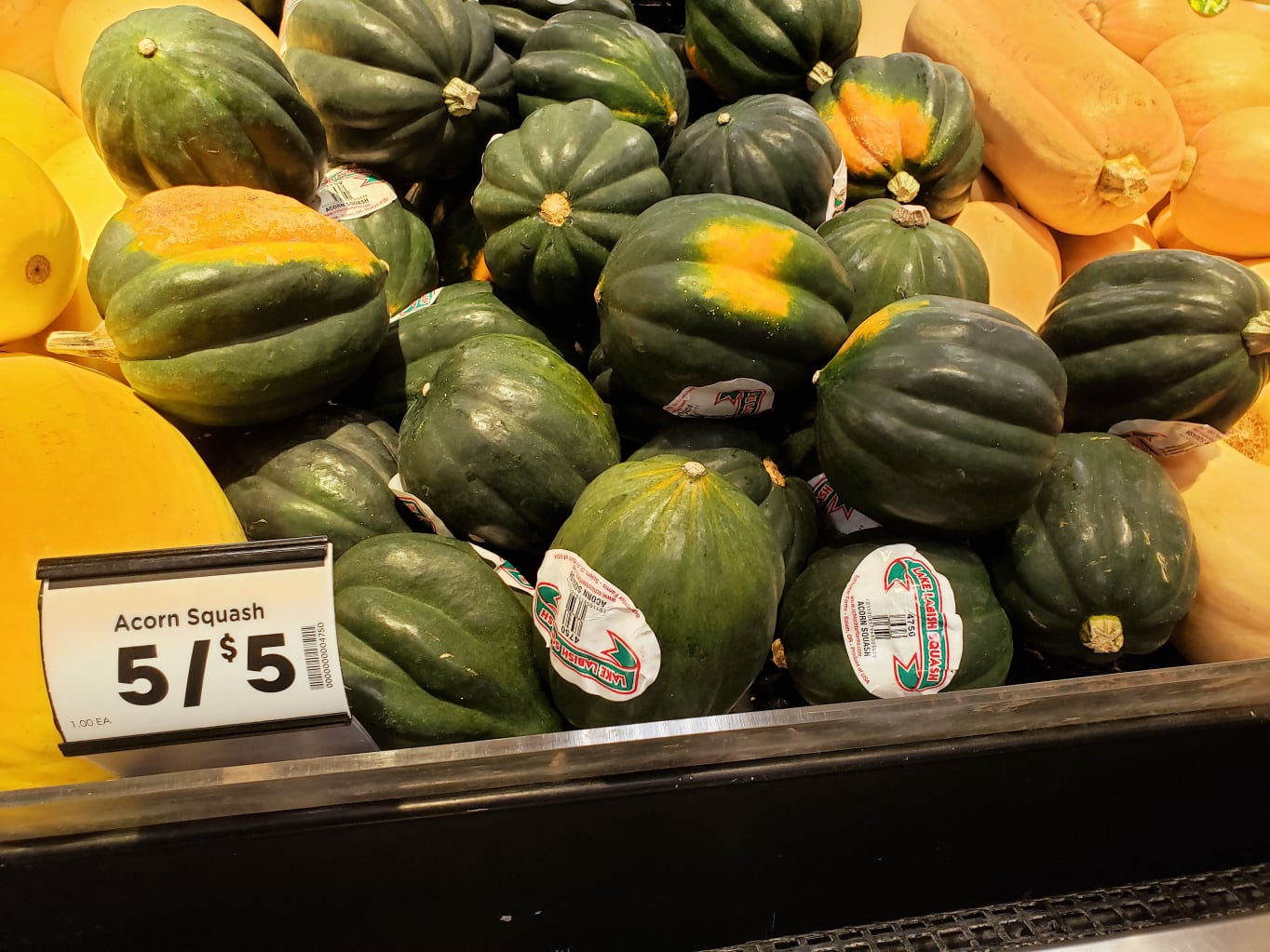
Acorn squash
Spaghetti squash
Pumpkin
Uses
Squash is incredibly versatile and can be used in a variety of dishes:
Summer squash: sautéed, grilled, used in salads or spiralized into noodles.
Winter squash: roasted, mashed, used in soups, stews, and pies.
How to Choose Squash
For summer squash, look for firm, glossy skins without blemishes or soft spots.
For winter squash, choose ones that feel heavy for their size and have a hard, tough skin with no soft spots or cracks.
Substitutes
Summer squash: Can be substituted with eggplant or cucumbers in salads and stir-fries.
Winter squash: Sweet potatoes or carrots can be used in place of winter squash in many recipes.
Potential Health Benefits
Squash offers several health benefits:
Rich in vitamins: High in vitamins A and C, which support vision and immune health.
High in fiber: Aids digestion and helps maintain a healthy weight.
Antioxidants: Contains antioxidants that protect cells from damage.
Low in calories: A great option for those looking to manage their calorie intake.
Squash is a great addition to any food rotation, adding flavor, essential nutrients, and more to your diet. With its diverse range of shapes, sizes, and colors, squash is not only a tasty vegetable but also a feast for the eyes.
❤️How much does squash weigh?
| Squash, Zucchini | |||
|---|---|---|---|
| 1 large | 323g | 11.4oz | |
| 1 medium | 196g | 6.9oz | |
| 1 small | 118g | 4.2oz | |
| 1 cup chopped | 124g | 4.4oz | |
| Squash, Spaghetti | |||
| 1 small | 1814g | 64oz | |
| 1 medium | 2721g | 96oz | |
| 1 large | 3628g | 128oz | |
| 1 cup cubes | 101g | 3.6oz | |
| Squash, Acorn | |||
| 1 squash, average | 431g | 15.2oz | |
| 1 cup, cubes | 140g | 4.9oz | |
| |||||||||||||||||||||||||||||||||||||||||||||||||||||||||||||||
| |||||||||||||||||||||||||||||||||||||||||||||||||||||||||||||||
| |||||||||||||||||||||||||||||||||||||||||||||||||||||||
| |||||||||||||||||||||||||||||||||||||||||||||||||||||||||||||||


Comments