Weight Equivalents: Shrimp
Article by Gil "hannaone"
© Copyright 2007-2025. All rights reserved.
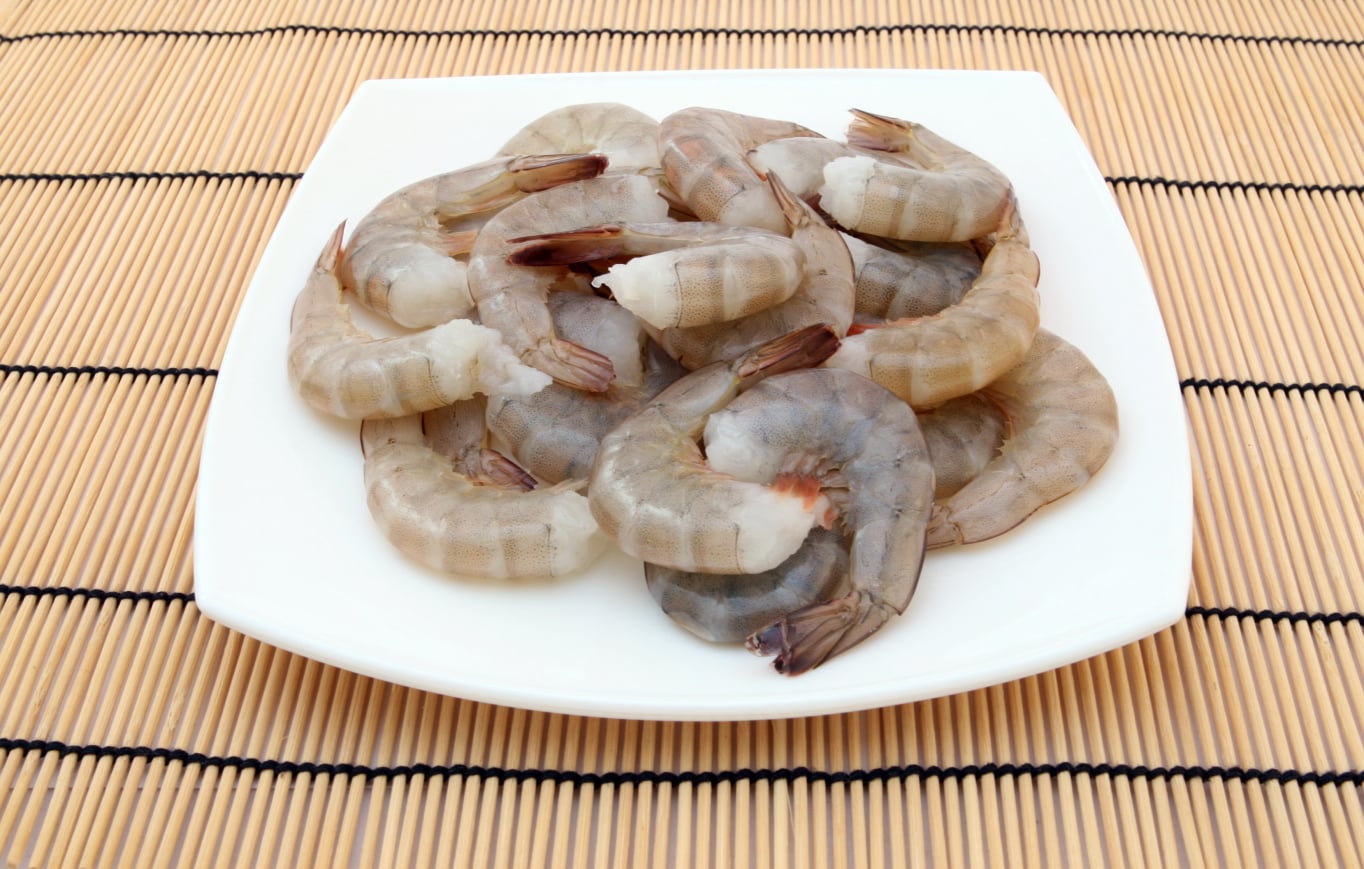
Image from Pixabay
Weight and nutrition information obtained from USDA food database or Korean Standard Food Composition Tables
Shrimp are a popular seafood choice worldwide, known for their delicate flavor and versatility in various cuisines.
History
Shrimp have been consumed by humans for thousands of years. They were harvested from both freshwater and marine environments and have been an important food source in many cultures. In ancient times, shrimp were enjoyed by the Greeks and Romans, and they have been a staple in Asian cuisine for centuries. Today, shrimp are one of the most widely consumed seafood items globally, thanks to advances in aquaculture and fishing techniques.
Varieties
There are several varieties of shrimp, each with unique characteristics. Some popular varieties include:
White Shrimp: These are commonly found in the Atlantic and Gulf coasts of the United States. They have a mild, sweet flavor and firm texture.
Brown Shrimp: Found along the Gulf Coast, they have a slightly stronger flavor and are often used in dishes with bold seasonings.
Pink Shrimp: These are commonly found in the Pacific Ocean and Gulf of Mexico. They have a sweet, tender flesh and are often used in salads and seafood cocktails.
Tiger Shrimp: These large shrimp are known for their black stripes. They are commonly farmed and have a firm texture and mild flavor.
Rock Shrimp: These small shrimp have a hard shell and a flavor similar to lobster. They are often used in dishes where a robust flavor is desired.
How to Choose Shrimp
When selecting shrimp, consider the following tips:
Appearance: Fresh shrimp should have a translucent, slightly shiny appearance. Avoid shrimp that look dull or have black spots.
Smell: Fresh shrimp should have a mild, ocean-like smell. Avoid shrimp with a strong, ammonia-like odor.
Texture: Shrimp should be firm to the touch. Avoid shrimp that feel slimy or mushy.
Size: Choose shrimp size based on the recipe you're preparing. Smaller shrimp are great for salads and stir-fries, while larger shrimp are ideal for grilling and roasting.
Potential Health Benefits
Shrimp offer several potential health benefits:
High in Protein: Shrimp are an excellent source of high-quality protein, which is essential for muscle growth and repair.
Low in Calories: Shrimp are low in calories, making them a healthy option for those looking to manage their weight.
Rich in Nutrients: Shrimp are a good source of vitamins and minerals, including vitamin B12, iodine, and selenium.
Omega-3 Fatty Acids: Shrimp contain omega-3 fatty acids, which are beneficial for heart health and reducing inflammation.
Antioxidants: Shrimp contain the antioxidant astaxanthin, which may help protect cells from damage.
Uses
Shrimp are incredibly versatile and can be used in a wide range of dishes:
Grilling: Grilled shrimp are delicious and can be served as a main course or added to salads and pasta dishes.
Sautéing: Sautéed shrimp are quick and easy to prepare and can be used in stir-fries, tacos, and more.
Boiling: Boiled shrimp are often used in shrimp cocktails and seafood boils.
Baking: Baked shrimp can be seasoned and cooked with vegetables for a healthy and flavorful meal.
Frying: Fried shrimp, such as tempura or popcorn shrimp, are popular in many cuisines.
Substitutes
If you don't have shrimp on hand, there are several suitable substitutes depending on the recipe:
Scallops: Scallops have a similar texture and mild flavor, making them a great substitute in many dishes.
Crab: Crab meat can be used in place of shrimp in salads, pasta, and seafood casseroles.
Lobster: Lobster has a sweet, rich flavor and can be used as a substitute in more luxurious dishes.
Chicken: Diced or shredded chicken can be used as an alternative in stir-fries, salads, and tacos.
Tofu: For a vegetarian option, firm tofu can be used as a substitute for shrimp in stir-fries and other dishes.
🦐
❤️How much does a shrimp weigh?
| Size Label | Shrimp Size | Grams | Ounces |
| Extra Colossal | U10 | at least 45.4g | 1.6oz |
| Super Colossal | U12 | at least 37.7g | 1.3oz |
| Colossal | U15 | at least 30g | 1.1oz |
| Extra Jumbo | 16/20 | 22.7 to 28.3g | .8 to 1oz |
| Jumbo | 21/25 | 18.1 to 21.5g | .64 to .76oz |
| Extra Large | 26/30 | 15 to 17.3g | .53 to .61oz |
| Large | 31/35 | 13 to 14.7g | .46 to .52oz |
| Medium Large | 36/40 | 11.3 to 12.5g | .4 to .44oz |
| Medium | 41/50 | 10 to 11g | .32 to .39oz |
| Small | 51/60 | 7.4 to 8.7g | .26 to .31oz |
| Extra Small | 61/70 | 6.5 to 7.4g | .23 to .26oz |
| Tiny | |||
| 1 US Cup | Pieces | 170g | 6oz |
| 1/2 US Cup | 85g | 3oz | |
Most size designations refer to number of shrimp per pound.
U15 would mean 15 or less per pound.
21/25 indicates a range of 21 to 25 shrimp per pound.
100 lbs (US) Head-on/Shell-on Shrimp = 65 lbs of shell on shrimp
65 lbs (US) shell-on shrimp = 55 to 56 lbs (US) peeled tail off shrimp
| |||||||||||||||||||||||||||||||||||||||||||||||||||||||

Comments