Weight Equivalents: Grapefruit
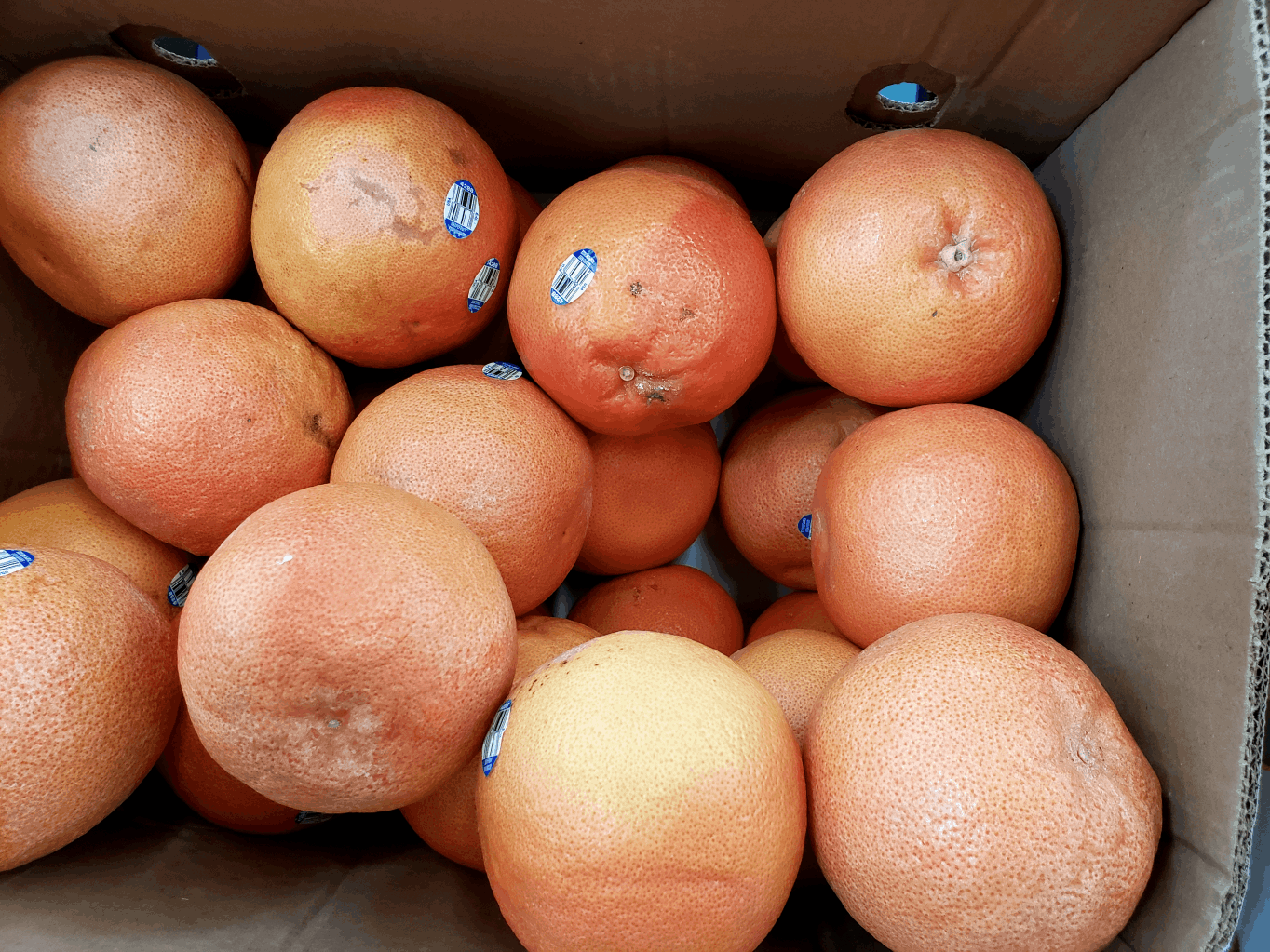
Article by Gil "hannaone"
© Copyright 2007-2025. All rights reserved.
Image by hannaone
Weight and nutrition information obtained from USDA food database or Korean Standard Food Composition Tables
Origin
Grapefruit is a subtropical fruit that originated in Barbados, possibly resulting from the accidental crossing of sweet oranges and pomelo fruit. This hybridization gave birth to a unique fruit with a balance of tartness and sweetness, setting it apart from other citrus fruits.
History
The grapefruit was first documented in Barbados in the 18th century. Known initially as the "forbidden fruit," it earned its current name due to its cluster-like growth, reminiscent of grapes. In the early 19th century, grapefruit seeds made their way to Florida, where the fruit began to be cultivated. By the 20th century, the United States emerged as a leading producer of grapefruit, with Florida, California, and Texas as major growing regions. Over time, grapefruit gained popularity worldwide for its distinct flavor and health benefits.
Varieties
Grapefruit comes in several varieties, primarily distinguished by their flesh color:
Ruby Red: Known for its sweet, red flesh and less bitter taste. It's one of the most popular varieties, often enjoyed fresh or in juice form.
Pink: Contains pink flesh with a balance of tart and sweet flavors. This variety is versatile and can be used in a range of culinary applications.
White: Has pale yellow flesh and a more tart, bitter taste compared to the red and pink varieties. White grapefruit is often used in traditional recipes and for making juice.
Uses
Grapefruit is incredibly versatile and can be used in various culinary applications:
Fresh: Often eaten fresh, cut in half, and sprinkled with sugar or drizzled with honey. It's a refreshing and healthy snack.
Juice: Grapefruit juice is a popular breakfast beverage and can also be used in cocktails like the classic Greyhound or the Paloma.
Salads: Grapefruit segments add a tangy flavor to fruit and green salads, pairing well with ingredients like avocado, fennel, and seafood.
Desserts: It can be used in desserts like sorbets, cakes, and tarts, adding a zesty kick to sweet treats.
Culinary Dishes: Grapefruit can be incorporated into savory dishes, such as salsas, marinades, and seafood recipes, enhancing flavors with its unique taste.
Health Benefits
Grapefruit is packed with essential nutrients, making it a healthful addition to your diet. It is rich in Vitamin C, which supports the immune system and helps the body absorb iron from plant-based foods. The fiber content aids in digestion and promotes a feeling of fullness, which can be beneficial for weight management. Additionally, grapefruit has been shown to lower cholesterol levels and may have antioxidant properties that protect cells from damage.
As a caution; Grapefruit seems to react with or alter the effect of certain medicines, so if you are taking medicines you should consult with your medical provider about grapefruit in your diet.
Substitutes
If you don't have grapefruit on hand, you can use the following substitutes:
Oranges: Sweet oranges can be used as a milder alternative in recipes. They provide a similar citrus flavor without the bitterness.
Pomelo: Similar to grapefruit but less bitter and more sweet. Pomelo can be a great substitute in both sweet and savory dishes.
Tangerines: Offer a sweet and tangy flavor, although they are smaller in size
How much does grapefruit weigh?
| Grapefruit, Common
(Pink and Red) |
|||
|---|---|---|---|
| 1 Fruit |
3-3/4" Dia |
246g | 8.7oz |
| Wedge |
1/8 of whole fruit |
30.8g | 1.1oz |
| Cup, Sections |
230g | 8.1oz | |
| Grapefruit, Common
(White) |
|||
| 1 Fruit |
3-3/4" Dia |
236g | 8.3oz |
| Wedge |
1/8 of whole fruit |
29.5g | 1oz |
| Cup, Sections |
230g | 8.1oz | |
| |||||||||||||||||||||||||||||||||||||||||||||||||||||||||||
| |||||||||||||||||||||||||||||||||||||||||||||||||||||||





Comments