Weight Equivalents: Cucumbers
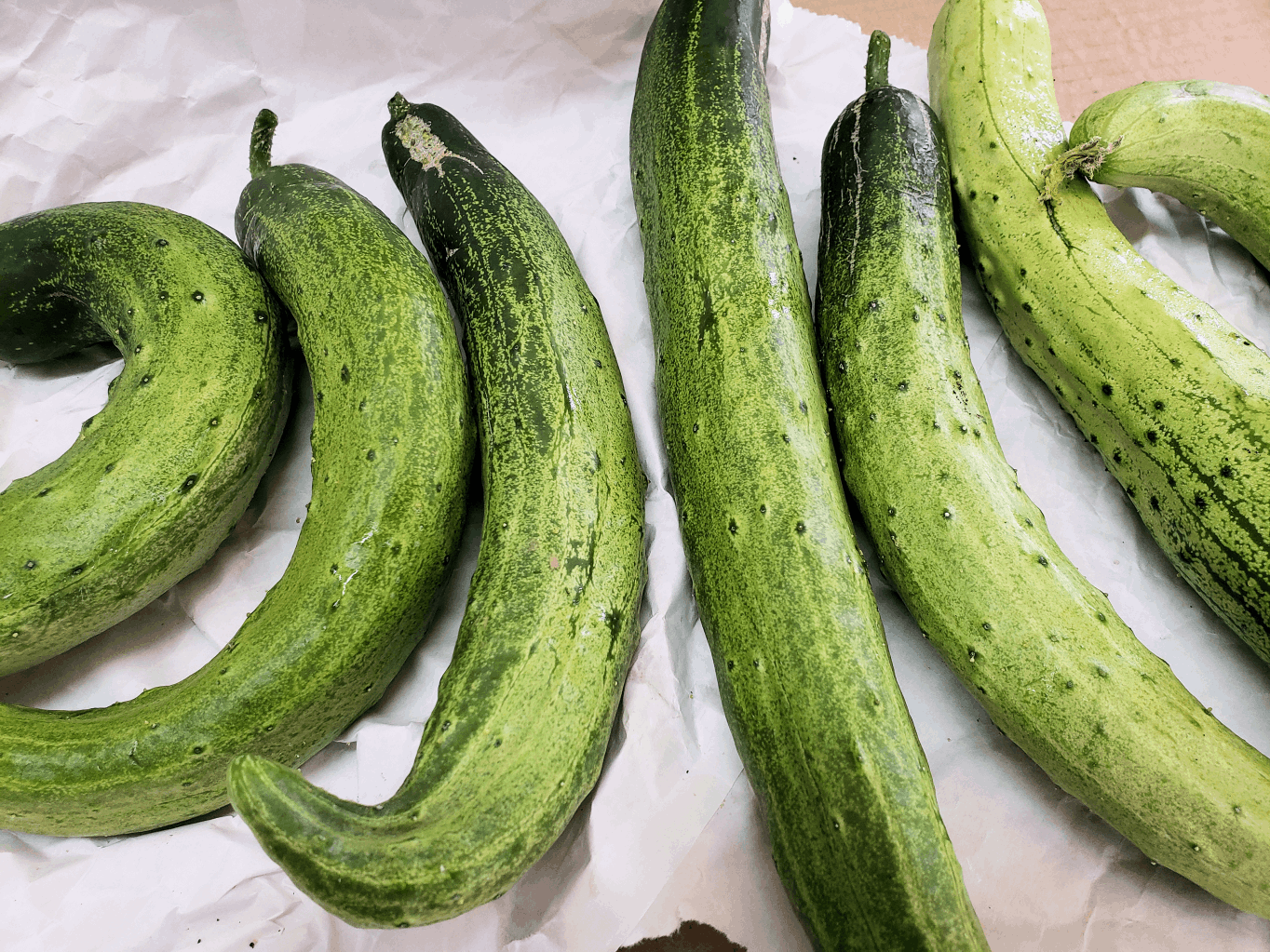
Article by Gil "hannaone"
© Copyright 2007-2025. All rights reserved.
Image by hannaone
Weight and nutrition information obtained from USDA food database or Korean Standard Food Composition Tables
Origin and History
Cucumbers, or Cucumis sativus, have a rich and fascinating past. Originating in India, they have been grown for over 3,000 years. They then traveled to the Middle East, Greece, and Rome, where they were greatly valued. In fact, the Romans constructed greenhouses to cultivate cucumbers all year round. Through trade and exploration, they eventually made their way to Europe and the Americas.
Varieties
Cucumbers come in many shapes, sizes, and colors. Here are some popular varieties:
Slicing Cucumbers: These are the most common cucumbers, used fresh in salads and as snacks. Varieties include Marketmore, Straight Eight, and Dasher II.
Pickling Cucumbers: Smaller and bumpier, they are ideal for making pickles. Varieties include National Pickling, Boston Pickling, and Bush Pickle.
Seedless Cucumbers: Also known as "burpless" or "European" cucumbers, they have fewer seeds and thinner skins. Varieties include English and Armenian cucumbers.
Lemon Cucumbers: These round, yellow cucumbers have a mild, slightly sweet flavor.
Kirby Cucumbers: Crisp and firm, they are often used for pickling but can be eaten fresh as well.
Uses
Cucumbers are incredibly versatile. Here are some common uses:
Fresh: Add them to salads, sandwiches, or eat them as a refreshing snack.
Pickled: Turn them into delicious pickles with vinegar, salt, and spices.
Culinary: Use them in cold soups like gazpacho or tzatziki sauce.
Beverages: Infuse water or cocktails with cucumber slices for a refreshing twist.
Beauty: Cucumbers are often used in skincare for their hydrating and soothing properties.
Substitutes
If you don't have cucumbers on hand, here are some suitable substitutes:
Zucchini: Similar in texture and mild flavor, zucchini can be used in salads and pickling.
Celery: Provides a similar crunch and freshness, great for salads and snacks.
Jicama: Slightly sweet and crunchy, jicama can be used in salads and slaws.
Carrots: Crunchy and mildly sweet, carrots can be used in salads and as a snack.
How much does a cucumber weigh?
| Cucumber, Common |
|||
|---|---|---|---|
| Small, average |
about 5 1/2 inches length |
158g |
5.6oz |
| Medium, average |
about 6 to 7 inches length |
201g |
7.1oz |
| Large, average |
about 7 1/4 to 8 1/2 inches length |
280g |
9.9oz |
| Cup, Chopped |
133g |
4.7oz |
|
| Cup, Slices❤️ |
119g |
4.2oz |
|
| Cucumber, Gherkin |
|||
| Midget, average |
about 2 1/8 inches length |
6g |
.2oz |
| Medium, average |
about 2 3/4 inches length |
25g |
.9oz |
| Large, average |
about 3 inches length |
35g |
1.2oz |
| Cup, Chopped |
160g |
5.6oz |
|
| Cup, Slices |
153g |
5.4oz |
|
| Cucumber, Kirby |
|||
| Small, average |
about 5 inches length |
150g |
5.3oz |
| Medium, average |
about 6 to 7 inches length |
201g |
7.1oz |
| Large, average |
about 7 1/4 to 8 1/2 inches length |
280g |
9.9oz |
| Cup, Chopped |
133g |
4.7oz |
|
| Cup, Slices |
119g |
4.2oz |
|
| Cucumber, English |
|||
| Average |
about 8 inches length |
301g |
10.6oz |
| 1/2 Cup, Slices |
52g |
1.83oz |
|
| Conversion from grams to ounce: 28.3495231g (rounded to 28.35) = 1 oz
Ounces shown are rounded up or down to the nearest tenth of an ounce. |
|||
| |||||||||||||||||||||||||||||||||||||||||||||||||||||||||||||||
| |||||||||||||||||||||||||||||||||||||||||||||||||||

Comments