Glossary Entry
Gukbap 국밥
Soup Rice
국밥 gukbap
Gukbap (국밥) | Soup with Rice
Definition:
A traditional Korean dish that combines cooked rice (bap) with hot soup (guk), served together in a single bowl.
Alternate Spellings:
Guk-bap, Gookbap
Description:
Gukbap is a hearty and comforting meal enjoyed across Korea. It is made by placing steamed rice into a bowl of hot soup or boiling the rice directly in the broth. The soup base varies widely depending on regional and personal preferences, with broths made from beef, pork, chicken, or seafood. The flavor profile is often enriched with garlic, ginger, soy sauce, or gochujang (Korean chili paste), creating a balanced mix of savory, spicy, and umami-rich elements.
Varieties:
Gukbap comes in many forms, each offering distinct flavors and textures:
Dwaeji Gukbap (돼지국밥): A rich pork soup with rice, especially popular in Busan.
Sundae Gukbap (순대국밥): Soup featuring Korean blood sausage (sundae) with rice.
Kongnamul Gukbap (콩나물국밥): A light and refreshing soybean sprout soup with rice, often enjoyed as a hangover cure.
Seolleongtang (설렁탕): A slow-simmered ox bone soup with rice, known for its signature milky-white broth.
Regional Variations:
Busan: Famous for its pork-based gukbap, which features a deeply savory broth made from pork bones.
Jeonju: Renowned for its soybean sprout gukbap, which has a clear broth and abundant sprouts for a crisp texture.
Significance in Korean Culture:
Gukbap embodies comfort, tradition, and practicality, making it a staple meal for all ages. Historically, it has been favored by workers, students, and travelers for its affordability and satisfying qualities. The dish is deeply embedded in Korean food culture, often associated with communal eating and warm hospitality.
Pairings & Serving Suggestions:
Gukbap is customarily served in a ttukbaegi (a traditional Korean earthenware pot) to help retain heat and enhance its deep flavors. Accompaniments may include:
Kimchi and oi-kimchi (cucumber kimchi) to complement the richness of the broth.
Pickled radish to add a refreshing contrast.
Seasoned vegetables for extra texture and depth.
Chopped green onions, red pepper flakes, and sesame seeds for personal seasoning preferences.
Gukbap’s adaptability and rich history make it an enduring favorite in Korean cuisine.
Source: Korean Food Guide in English | hannaone
Article by Gil "hannaone" © Copyright 2007-2025. All rights reserved.
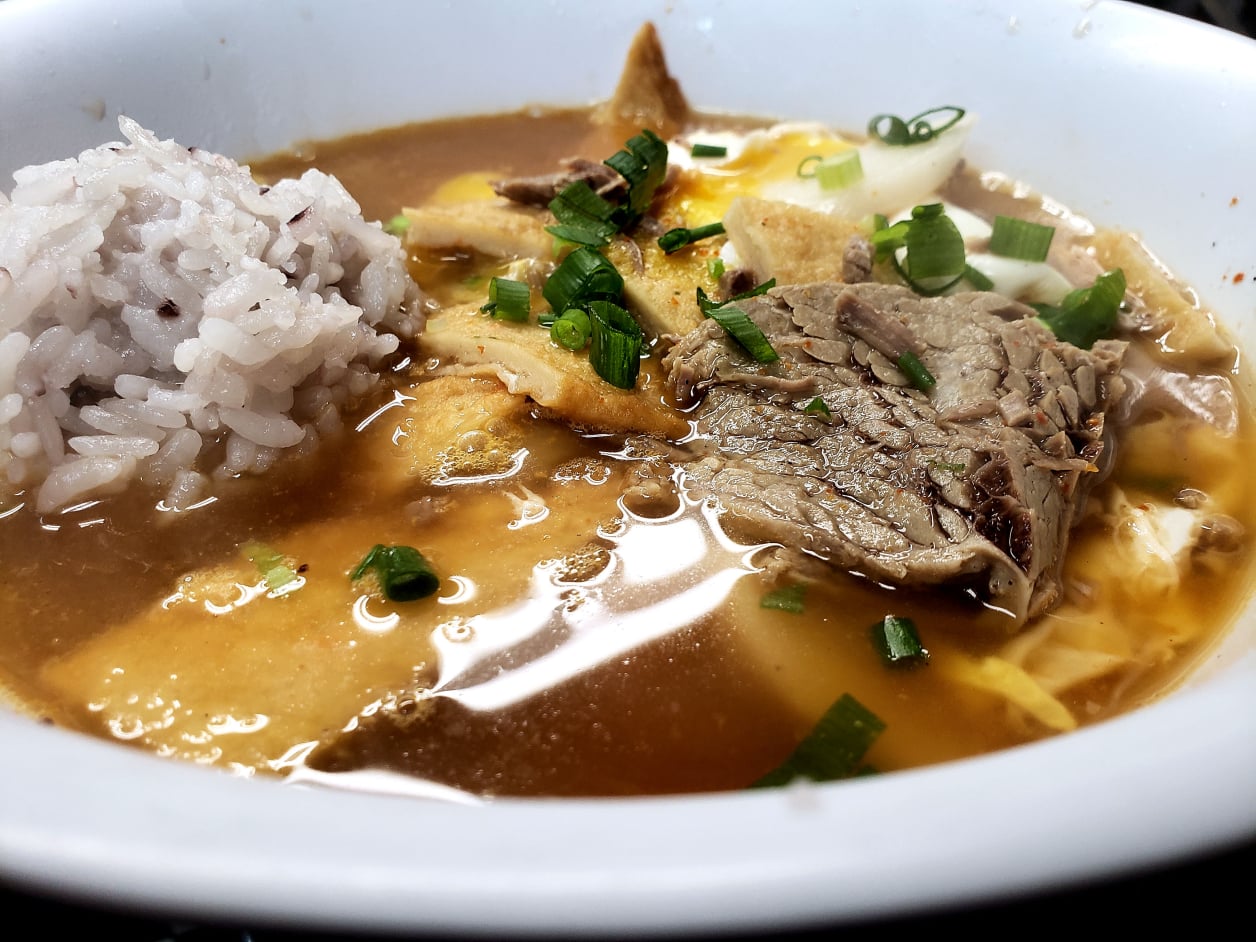
Image by hannaone: Eomuk and Brisket gukbap
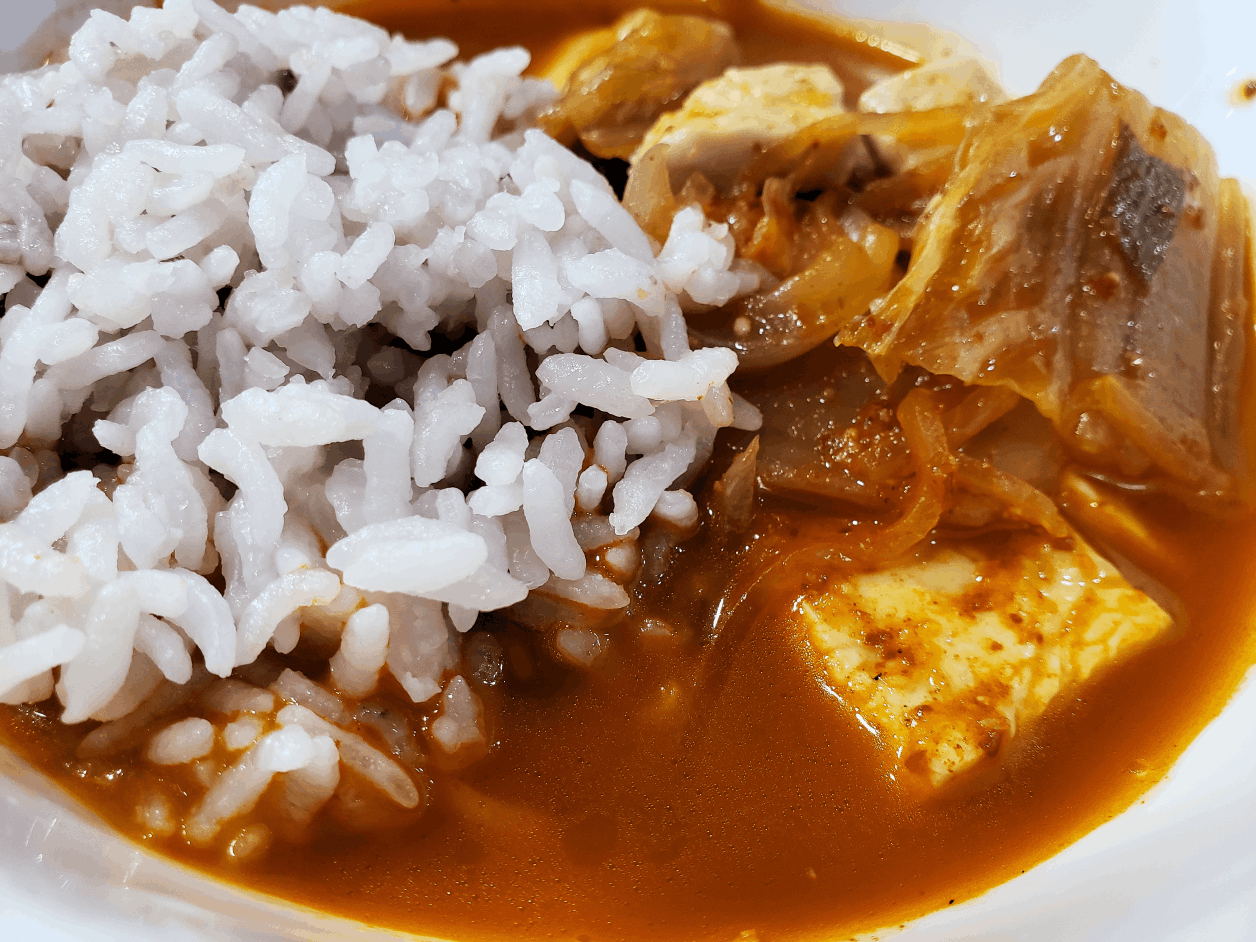
Image by hannaone: Kimchi gukbap