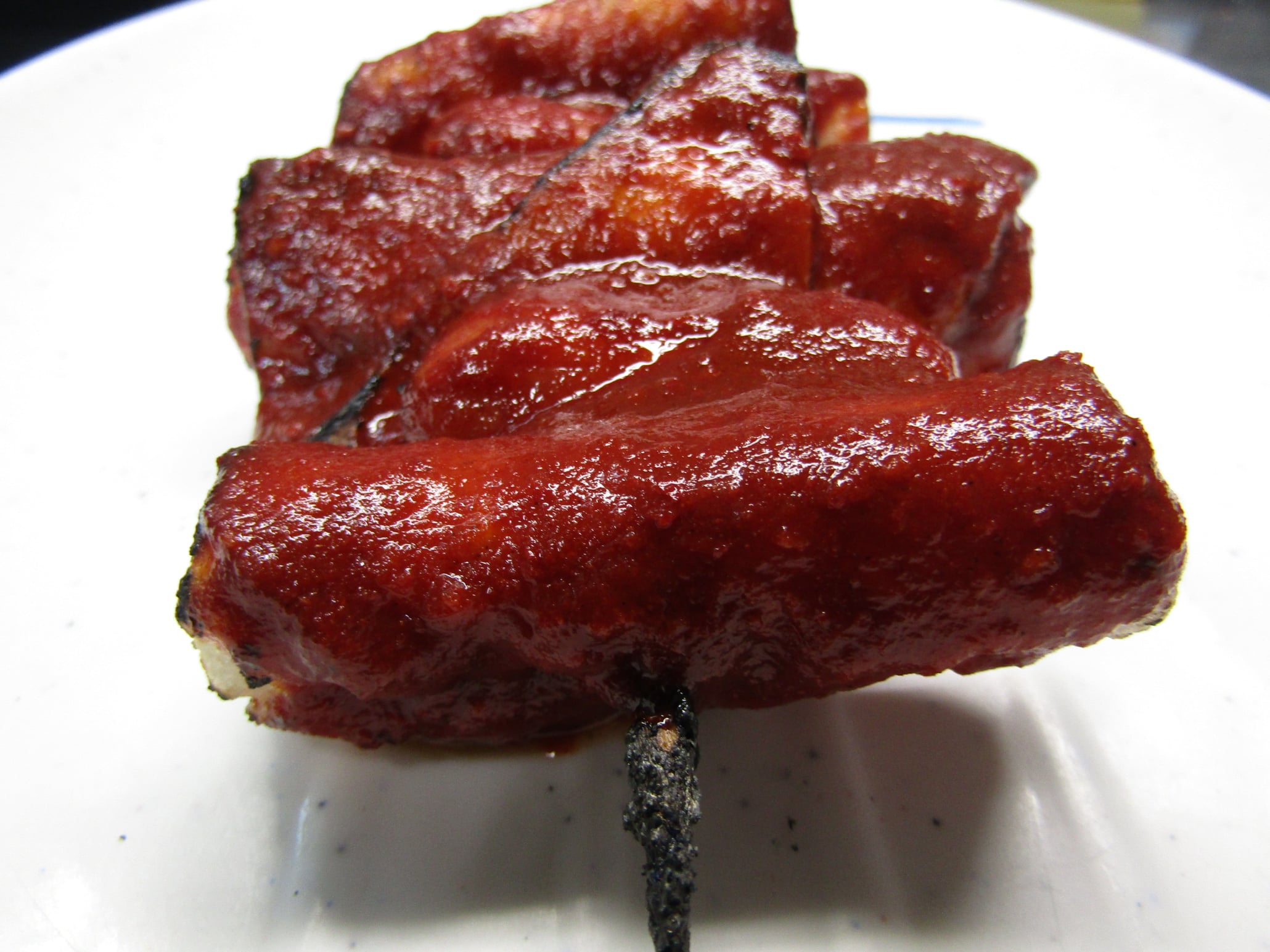
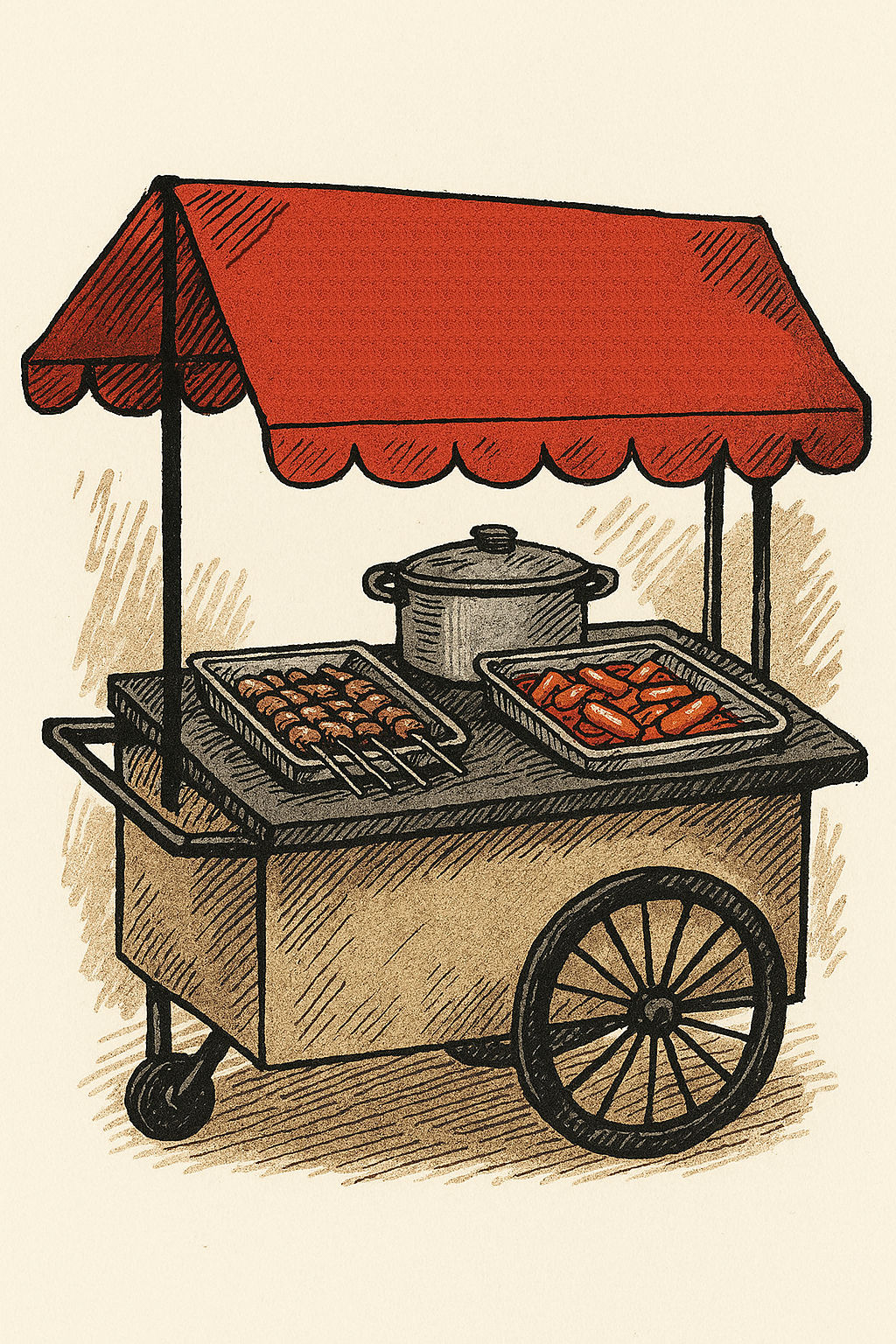
Korean street food likely began as early as the Three Kingdoms period, when villagers gathered around temporary stalls for shopping, trade, and entertainment. By the Joseon Dynasty (circa 1300 AD), food stalls near markets served travelers and locals alike.
During the Japanese colonial era (1910–1945), street food became a way to preserve cultural identity, with vendors offering dishes like tteokbokki (spicy rice cakes) and gimbap/kimbap (seaweed rice rolls). After the Korean War in the 1950s, food carts flourished, providing affordable meals for workers and students.
Government regulation in the 1970s pushed many vendors indoors, but street food culture only grew stronger, finding new homes in markets and shopping centers. Today, Korean street food thrives with both traditional favorites and modern twists—think fried chicken, cheese corn dogs, and seafood pancakes—celebrated at bustling festivals enjoyed by locals and tourists alike.